
Eccleshall is at Breaking Point Developers have submitted proposals to build over 1,500 new homes across 10 greenfield sites around Eccleshall — a town with a 2021 population of just 3,230.
With an average of 2.4 people per household, these developments would bring nearly 3,700 additional residents, more than doubling the town’s population in just a few years.
There have been no major upgrades to our infrastructure to support this scale of growth. Our roads, sewers, schools, and local services are already under pressure — and residents are being left to pick up the consequences.
National Context: This Isn’t Just Local
The County Councils Network (which represents 38 local authorities) reported in 2024:
- 85% said infrastructure pressure is already “excessive”
- 90% said the situation has worsened over the past five years
- 85% lack confidence that the planning system can deliver the infrastructure needed for new homes
Even councils that support national housing targets admit that rural areas are experiencing a “developer free-for-all” — and Eccleshall is a clear example.
Sewerage and Water Pollution
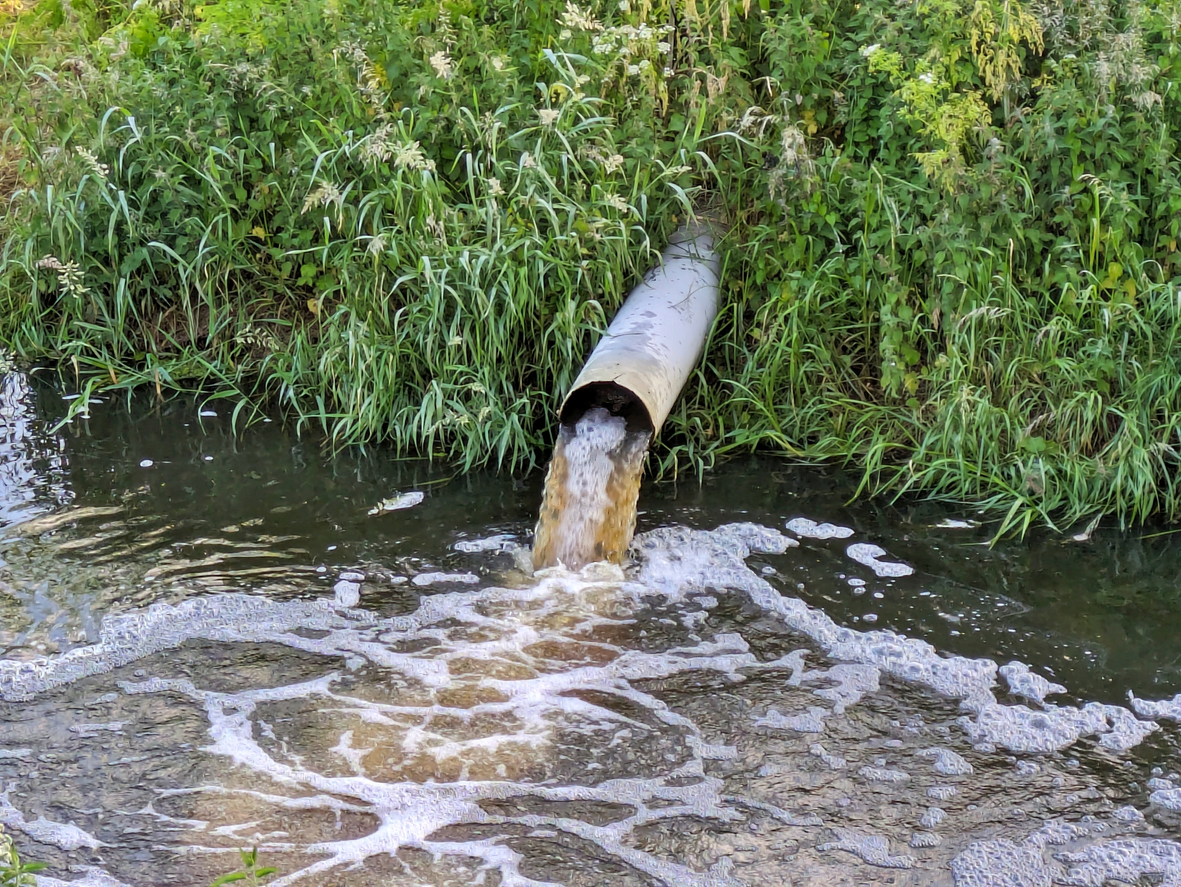
Eccleshall’s wastewater is managed by Severn Trent, with treated effluent discharged into the River Sow — a river already suffering from routine pollution:
- In 2024, untreated sewage was discharged into the River Sow 137 times, lasting a total of 1,673 hours (over 2 months)
- Overflows occur regularly during heavy rainfall, spilling raw sewage into watercourses
Adding 1,500 more homes will drastically increase wastewater and storm overflow risk. Flooded fields and drainage ditches already show signs of untreated sewage in outlying areas. Sludge from the Sturbridge Treatment Works requires regular removal by HGVs, bringing environmental concerns into the conservation zone of Eccleshall.
Severn Trent blames extreme weather — but climate change will only increase the pressure.
Flooding: A Growing Hazard
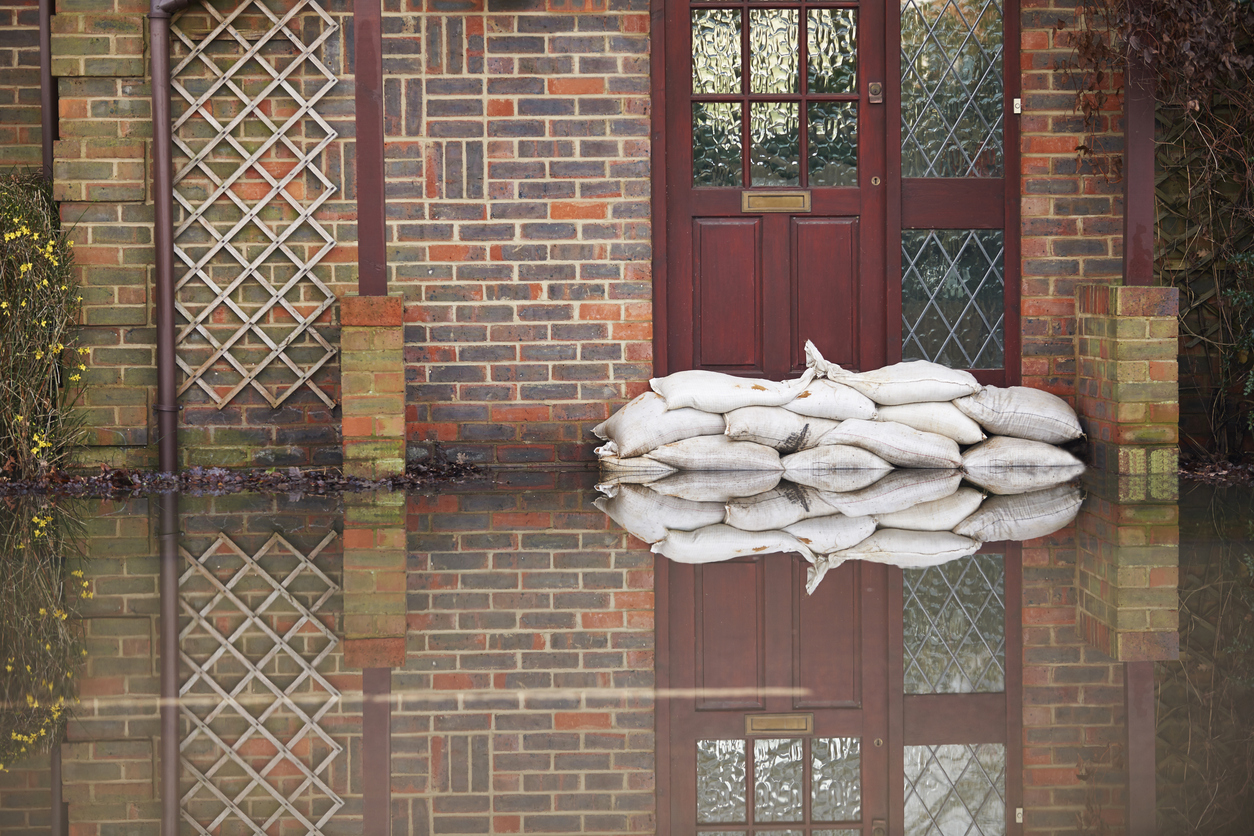
Eccleshall is already struggling with serious flooding issues — especially around Castle Street and Stafford Street.
- The town has separate systems for waste and surface water, but these are frequently overwhelmed
- In 2023, the storm overflow spilled 67 times. By March 2024, it had already spilled 26 times
- Developers propose balancing ponds, but these won’t solve the problem — they will simply pass water on to vulnerable parts of town
Severn Trent’s target is to reduce spills to no more than 10 per year… by 2045. That is not soon enough.
Modern developments with tarmac driveways and reduced green space will only increase surface water runoff and pollution — putting more homes and businesses at risk.
Traffic and Transport Pressure
Eccleshall’s wastewater is managed by Severn Trent, with treated efNew development will bring thousands more vehicles to Eccleshall:
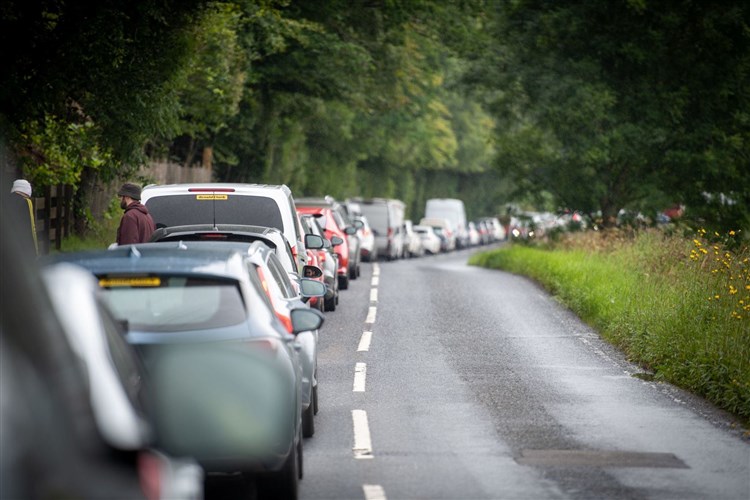
- An estimated 2,000 additional cars
- 30% increase in peak-time traffic compared to 2017
- Heavy disruption to primary school routes, single-track access roads, and footpaths not built for volume use
The town risks becoming a dormitory village, with little employment locally and more long-distance commuting. This means more congestion, noise, pollution, and damage to rural lanes — especially around Creswell, Stone, and Newcastle.
Parking is already an issue. A 2023 survey found:
- 62% of residents said parking was a problem
- Only 20% said parking was easy
Bus services are unreliable, and proposals to improve transport have so far fallen short.
Local Services Are Already Stretched
Eccleshall is already struggling with serious flooding issues — especially GP Surgeries
New homes mean more demand — but no guaranteed increase in capacity. Across the UK:
- Local NHS boards are struggling to spend developer contributions
- Promised GP surgeries are often delayed or never built
- Patients are waiting longer and travelling further for care
One nearby development (Wixams) reached a population of 10,000 without a single GP surgery. Eccleshall risks the same outcome.
Schools
There are no new secondary schools planned in any of the development proposals. The nearest is 6 miles away.
Local schools could face:
- Overcrowding
- Increased traffic from school runs
- Shortages of teaching staff
- New sites promised but not delivered
Some developers have mentioned a new primary school and health centre — but these are subject to later review by local authorities and no timeline is guaranteed.
Conclusion: This Is Not Sustainable Growth
What is being proposed in Eccleshall is not sustainable, balanced development. It is speculative, excessive, and harmful — to the landscape, the infrastructure, and the residents who live here.
We believe Eccleshall has already reached its capacity — and further large-scale development will result in:
- Increased pollution
- Health risks
- Flooding
- Road safety issues
- Longer wait times for basic services
- A permanent loss of the rural identity and character of our town
We are not anti-growth. We are pro-community, pro-infrastructure, and pro-Eccleshall.
We demand a say in what happens next.
